
What Is a Designer Vinyl Toy? Art Toys Explained
A designer vinyl toy, also called an art toy, is a collectible character figure created by an artist or designer and produced in limited runs, most often in vinyl or PVC. What sets it apart is authorship and edition size, not one specific material. If you are an independent creator, a brand or an IP owner, it is also one of the more approachable ways to turn artwork into a physical product.

What makes a toy a designer toy?
Four traits show up again and again.
- An author with a point of view. The character comes from an artist, studio or brand rather than a licensed movie or toy-aisle line.
- Small editions. Runs are limited, sometimes by color, which gives collectors a reason to care about each release.
- Attention to finish. Paint, color mixing and details are treated as part of the artwork.
- A collector audience. Many buyers are adults who display the pieces and follow the artist.
The designer toy scene is commonly traced to Hong Kong and Japan in the 1990s, and it has since grown into a global community of artists, small studios and brands.
Common materials for designer toys
Vinyl is the namesake, but the right material depends on the shape and how many pieces you want.
- Soft vinyl (sofubi): hollow and flexible, made by coating a mold with liquid PVC. Read what sofubi is for the full picture.
- PVC figures: usually injection molded in steel molds, which suits repeatable runs and multi-part figures.
- Resin: a rigid cast material that holds very fine detail and is often used for prototypes and short runs. See resin vs PVC figures for a comparison.
Naluga lists PVC figures, soft vinyl toys, resin figurines and vinyl dolls among the products it customizes, so the material can be chosen after the design is reviewed rather than before.
From sketch to shelf: how a designer toy gets made
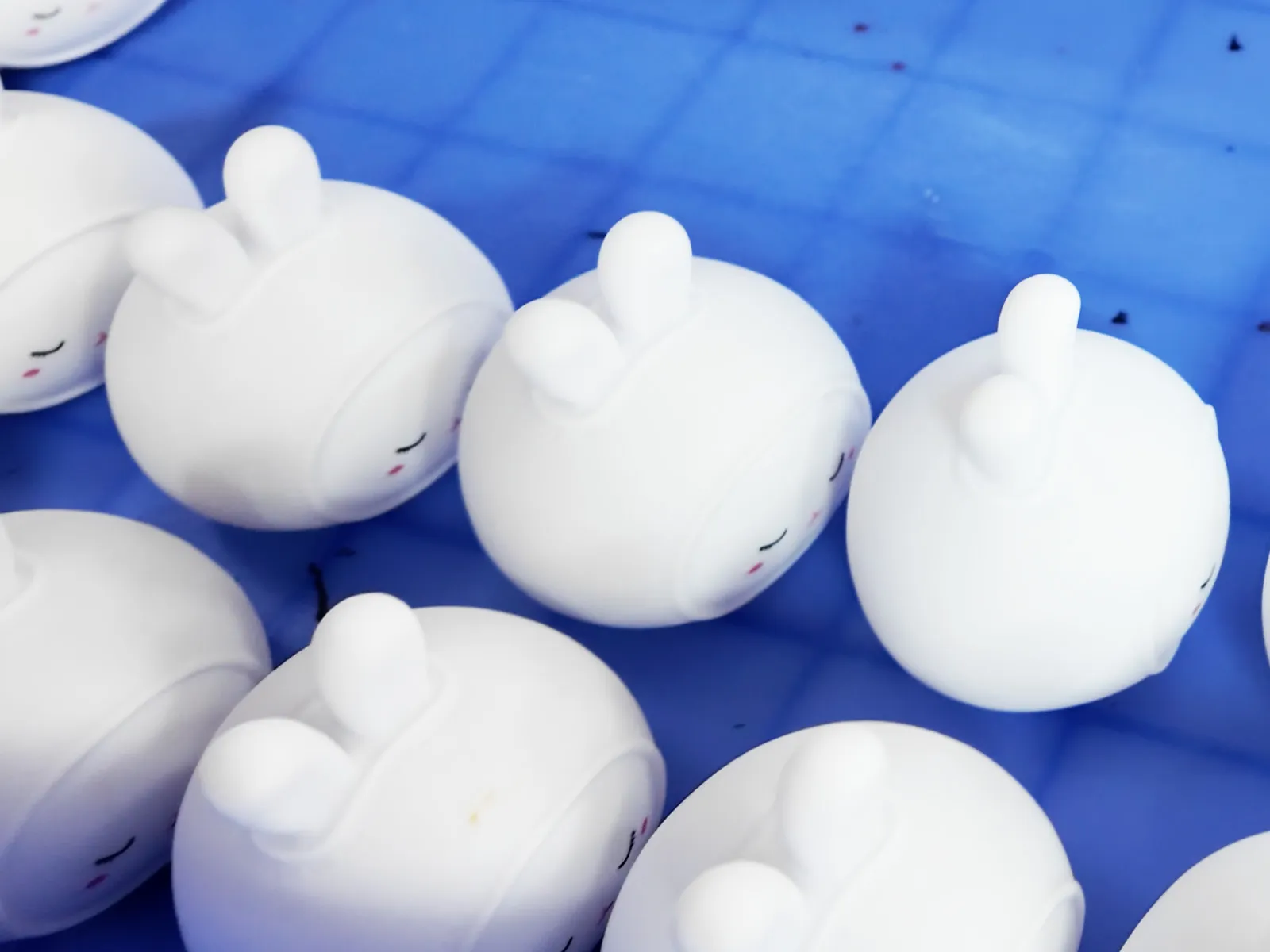
Naluga's published process for art toys follows eight steps: collect requirements, develop the design idea, build a prototype by 3D printing, make the mold, run a small-batch trial, mass produce after sample approval, package with quality control, then arrange logistics and shipping. Here is what that means for a creator.
- Prepare the character. Turnarounds (front, side, back) and color references make the quote and the 3D work much faster.
- Send a file. Naluga accepts 3D files in STL or OBJ format. A 2D design can be converted to 3D for an additional fee.
- Approve the prototype. Check proportions and small details here, when changes are still cheap.
- Approve trial parts and paint. Separate the sculpt approval from the paint approval, and keep a reference sample.
- Plan packaging. Art toys are often sold in branded boxes. Naluga offers custom packaging, including blind box packaging.
The whole project, from mold to delivery, is covered in more detail in how to manufacture a toy from sketch to mass production.
Starting small: low minimums and edition planning
Naluga's art toy service lists a minimum order of 20 pieces, with a minimum of 20 units per color to balance costs. That suits independent designers and limited-edition releases. The service page gives a production lead time within 50 days, including 30-40 days for mold manufacturing and about two weeks of production after the molds are ready, varying with type, color and quantity. Payment is listed as a 30% deposit and 70% balance before shipment.
A practical tip: decide whether your edition is split across colorways before you request a quote. Five colorways of 20 is a different job from 100 in one color. Compare quotes with design, prototype, tooling, production and packaging listed separately.
Where to start
If your concept is a collectible character, begin with Naluga's custom art toys service. If you already know you want a vinyl-style figure, the custom vinyl figure service is the closest match. Send your sketches or 3D file along with your target quantity and colors, and ask for a recommended material.
Frequently asked questions
What is the difference between a designer toy and an art toy?
The terms are used almost interchangeably. Both describe collectible character toys created by artists or designers, usually in limited runs and often made from vinyl or PVC.
Are designer vinyl toys always made of vinyl?
No. Vinyl is the most common material, but designer toys are also made in PVC, resin and other materials. The right choice depends on the sculpt, the finish and the edition size.
What is the minimum order for a custom art toy?
Naluga's published minimum for custom art toys is 20 pieces, with a minimum of 20 units per color to balance costs.
What files do I need to make a designer toy?
A 3D file in STL or OBJ format is ideal. If you only have a 2D design, Naluga can convert it to a 3D model for an additional fee. Add front, side and back views and color references.
Can I get blind box packaging for my art toys?
Yes. Naluga's art toy FAQ says it offers custom packaging design and production, including blind box packaging tailored to your brand. Raise special packaging needs before packing begins.