
Resin vs PVC Figures: Which Material Fits Your Project?
Pick resin when you need a handful of pieces with very sharp detail, such as a prototype or a small art edition. Pick PVC when you plan a repeatable run and steel molds will pay for themselves. Soft vinyl is a third route for hollow, flexible pieces. The choice mostly comes down to quantity, detail and how the figure will be handled.
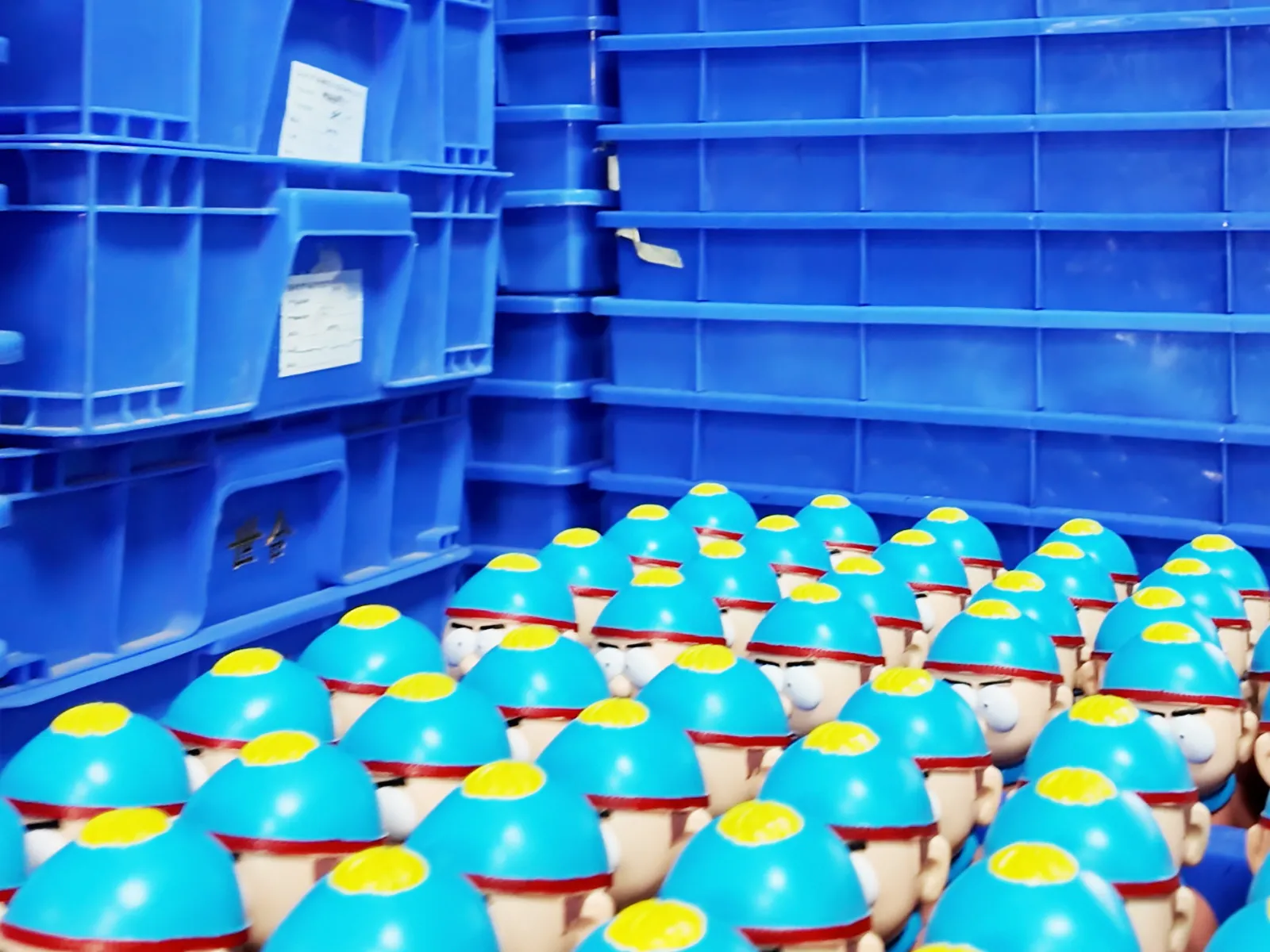
Quick comparison: resin vs PVC
The table gives the general picture. Treat it as a starting point and ask for a quote on your own design, because every sculpt behaves differently.
| Topic | Resin figure | PVC figure |
|---|---|---|
| How it is made | Liquid resin is cast into a mold, usually a few pieces per mold session | Plasticized PVC is injected into steel molds for repeatable output |
| Tooling | Lighter tooling, suited to short runs | Heavier tooling cost up front, spread over the whole run |
| Best for | Prototypes, limited editions, display pieces | Collectible lines and repeat orders |
| Fine detail | Very crisp, even on thin or intricate features | Good, but limited by how the sculpt splits into parts |
| Feel and handling | Rigid and solid; thin parts can chip or snap | Lightweight; may lean or warp over time if stored badly |
| Naluga minimum | Confirm in your quote | 20 pieces per color for PVC figures |
When resin makes sense
Resin is the natural fit when the quantity is small and the sculpt is delicate. Think of a first prototype you want to hold before committing to steel tooling, or a limited edition where each piece is finished carefully by hand. Fine ridges, thin spikes, lace or hair strands tend to come out sharper in resin than in a design that has to be split for injection.
The trade-offs are real. Resin is rigid, so slender parts such as horns, swords or ankles need thought about how they will be handled and shipped. Unit cost usually stays flat as quantity grows, so resin loses its appeal once you reach a larger repeat run. Naluga lists resin figures among the products it customizes, and larger resin-based pieces are covered by the custom fiberglass sculpture service.
When PVC injection makes sense
Naluga's custom PVC figure page describes PVC figure production as injection molding: plasticized PVC poured into steel molds for high volume output. The mold is the big up-front cost, but once it exists, each additional piece is far cheaper. That is why PVC dominates anime merchandise and collectible lines that are produced more than once.
PVC figures balance affordability with durability and light weight. The same page notes that low density means a figure may lean or warp over time, which is easy to avoid with a cool, dry shelf and a display stand. Designers should expect the sculpt to be divided into parts for molding, so plan where the seams go. For how material choices work inside the injection process, see our guide to material selection for PVC figure injection molding.

Soft vinyl (sofubi) as a third option
If you want a hollow, soft and slightly squeezable piece, neither resin nor injected hard parts are the answer. Soft vinyl toys, often called sofubi, are made by coating a mold with liquid PVC, heating it and pouring out the excess so a thin wall remains. The result feels very different in the hand. Naluga offers this route as a custom sofubi toy service with the same published minimum of 20 pieces per color.
How to decide in five questions
Answer these in order and the material usually picks itself.
- How many pieces do you need now, and will you reorder? Repeat orders favor PVC; one-off or very small runs favor resin.
- How delicate is the sculpt? Very thin or intricate features favor resin, or a redesign that suits injection.
- Who will handle it? Pieces that will be played with or shipped in bulk favor PVC or soft vinyl.
- Do you need it hollow and flexible? Then look at soft vinyl.
- What does the quote look like when tooling is listed separately? Compare materials using the same scope.
What to send for a material recommendation
Send a 3D file (Naluga accepts STL and OBJ) or a 2D design, the finished height, your target quantity per color and whether you expect to reorder. A 2D design can be converted to 3D for an additional fee. With those details a manufacturer can say whether your sculpt suits resin, PVC or soft vinyl, and flag parts that may need changes. Browse all custom toy services to find the closest starting point.
Frequently asked questions
Is resin or PVC better for custom figures?
Neither is better in every case. Resin suits prototypes and small runs with very fine detail. PVC suits repeatable runs where steel molds spread the tooling cost over many pieces. Quantity and sculpt detail usually decide.
Is resin more fragile than PVC?
Resin is rigid, so thin or protruding parts can chip or snap if handled roughly. PVC is lighter and more forgiving, though it may lean or warp over time if stored badly. Ask your manufacturer to review fragile areas of your design.
What is the minimum order for a custom PVC figure?
Naluga's published minimum for a custom PVC figure is 20 pieces per color. The minimum for resin work depends on the project, so confirm it when you request a quote.
Can I make a prototype in resin and mass-produce in PVC?
Often yes, but the sculpt may need adjusting so it splits cleanly into injection-molded parts. Share your plan early so the manufacturer can check the design for both routes.
Where does soft vinyl fit in?
Soft vinyl, or sofubi, is a hollow, flexible option made by coating a mold with liquid PVC and pouring out the excess. It suits characters that should feel soft in the hand rather than rigid.