
What Is Sofubi? A Guide to Japanese Soft Vinyl Toys
Sofubi is the Japanese term for soft vinyl toys: hollow, flexible figures made from soft PVC, usually with a thin wall and hand-finished paint. The word comes from the Japanese pronunciation of "soft vinyl." If you have seen a squishy monster or a chunky character with a slightly glossy finish, there is a good chance it was sofubi.
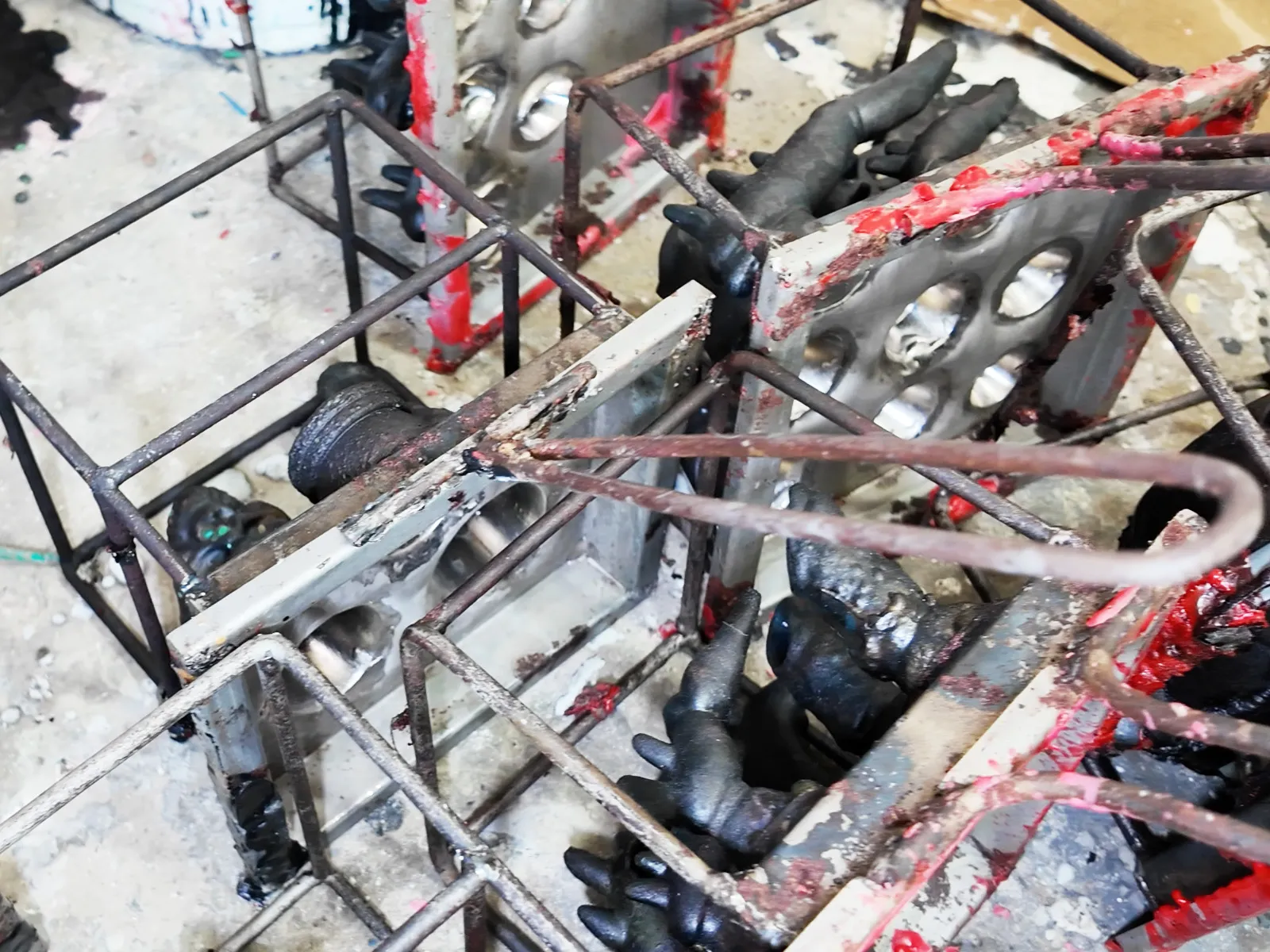
Where sofubi comes from and what it looks like
Soft vinyl toys became closely tied to Japanese monster (kaiju) characters in the 1960s, and the style has stayed popular with collectors and independent artists ever since. Today the term covers everything from classic monsters to original characters by designers around the world.
Sofubi has a recognizable look. Shapes are bold and simple, edges are soft, and the surface often has a slight sheen. Because the toy is hollow, it is light for its size. Because the material is flexible, arms, tails and ears can bend a little instead of snapping. Many pieces use mixed-color vinyl or semi-transparent parts, which hard plastic cannot imitate easily.
How sofubi toys are made
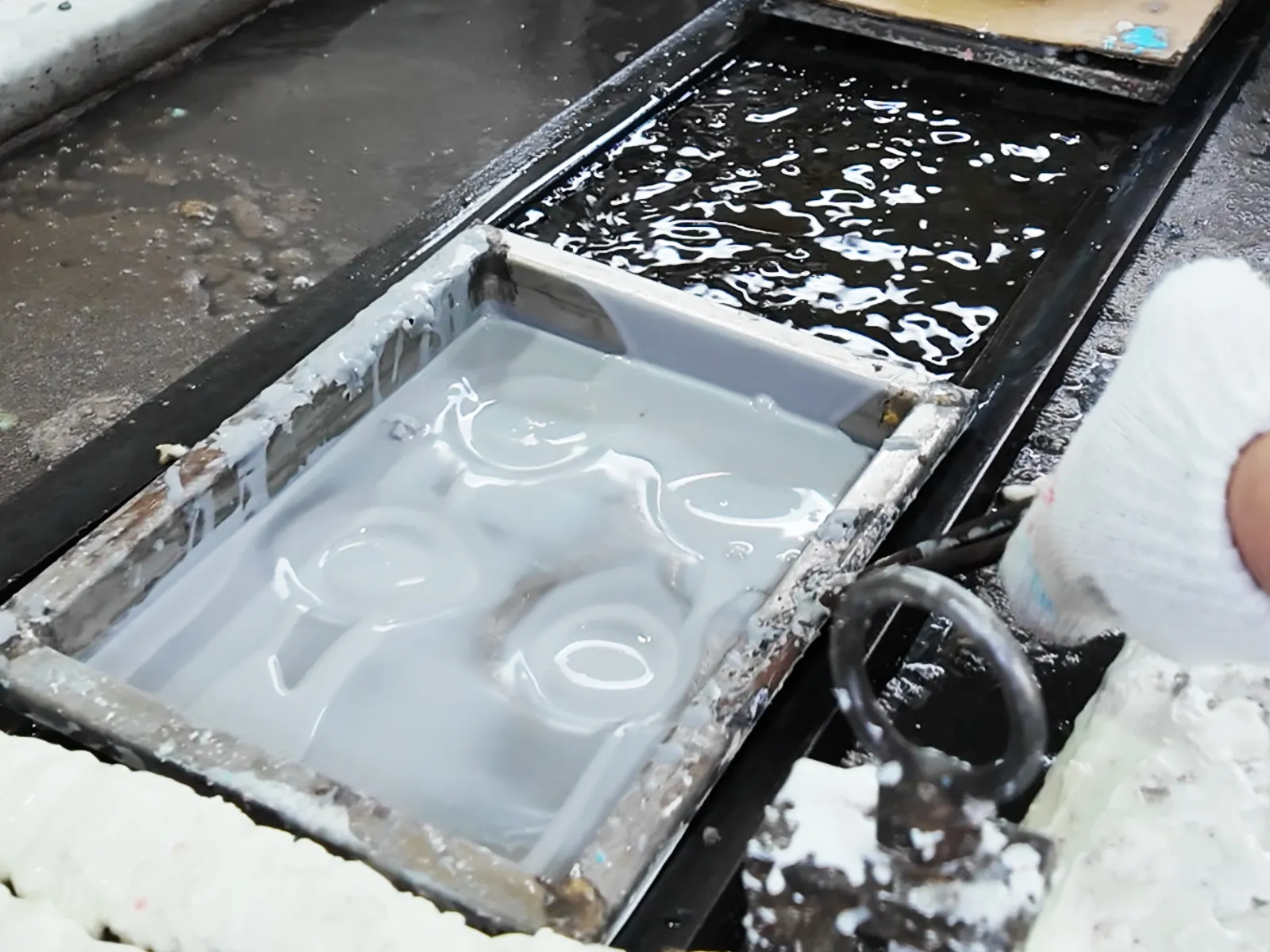
The photos from Naluga's partner workshops show the main stages. The process is different from injection molding, even though both use PVC.
- Mix and de-air the paste. White PVC paste is mixed with colorants. It goes through a vacuum chamber so air bubbles are removed and do not show up in the toy.
- Fill the mold. The paste is poured or injected into the mold. Multi-color pieces can have different colors poured in.
- Heat in a hot oil tank. The mold is heated, and the PVC cures where it touches the mold wall. The paste looks white in the bucket but turns transparent as it heats.
- Pour out the excess. The extra paste is poured back out, leaving a thin even layer on the mold wall. That layer is what makes the toy hollow.
- Cool and demold. Once the part has cooled and set, the operator removes it, sometimes with pliers, and trims excess material.
- Paint and finish. Faces and details are added by hand, spray or pad printing, and the finished toys are dried before packing.
For a longer walkthrough of the vinyl workflow on a factory floor, read how vinyl toys are made in a factory, step by step.
Sofubi vs PVC vs resin
People often treat these as three different materials, but sofubi is itself soft PVC. The difference is mostly process and feel.
- Sofubi: hollow, soft and flexible, made by coating a mold with liquid PVC and pouring out the excess.
- PVC figure: Naluga's PVC figure service describes injection molding, with plasticized PVC poured into steel molds for high volume output. The figure is usually firmer and built from several parts.
- Resin: a rigid, cast material that holds very sharp detail but can chip on thin parts. It is usually chosen for prototypes and small runs.
If you are still choosing, our comparison of resin vs PVC figures goes through quantity, detail and cost structure in more depth.
What designers should prepare for a sofubi project
Naluga's custom sofubi toy service accepts 3D files in STL or OBJ format. A 2D design can be converted to 3D for an additional fee. Before you send files, it helps to decide a few things.
- Finished height and the part breakdown you expect, since the shape has to release from the mold.
- A color plan: how many colors, which are solid and which should be transparent or mixed.
- Painted details such as eyes and patterns, plus a reference image for each.
- Quantity per color. Naluga lists a minimum of 20 pieces per color.
- Any special packaging, which should be raised before packing starts.
On timing, the service FAQ gives a production lead time within 50 days, including 30-40 days for mold fabrication, with around two weeks of manufacturing once the molds are done. Those figures vary with color complexity and quantity, so ask for a dated schedule for your own order. Payment is listed as 30% deposit and 70% balance before shipment.
Frequently asked questions
What does sofubi mean?
Sofubi comes from the Japanese pronunciation of soft vinyl. It refers to hollow, flexible toys made from soft PVC, often with hand-finished paint.
Is sofubi the same as a vinyl figure?
Sofubi is a type of vinyl toy. Both use PVC, but sofubi is hollow and soft, made by coating a mold with liquid PVC. Other vinyl or PVC figures may be injection molded and firmer.
What is the minimum order for a custom sofubi toy?
Naluga's published minimum is 20 pieces, with a 20-unit minimum per color to help balance costs.
How long does custom sofubi production take?
The service FAQ lists a lead time within 50 days, including 30-40 days for mold fabrication and around two weeks of manufacturing after the molds are ready. Timelines vary with color complexity and quantity.
What file do I need to start a sofubi project?
A 3D file in STL or OBJ format works best. If you only have a 2D design, Naluga can help convert it to a 3D model for an additional fee.