
What Is a PVC Figure? Materials and Production Explained
A PVC figure is a character model or collectible made partly or mainly from polyvinyl chloride, a type of plastic. The name describes a material, not one fixed manufacturing method. A finished figure can combine PVC with other materials, and its feel depends on the formulation, shape and construction.
That distinction matters when you commission your own design. A soft monster, a detailed display character and a figure with separate accessories may all be described as PVC figures, yet they need different production decisions. Start by describing the result you want to hold, then work through the materials and process with the production team.

Does every part of a PVC figure use PVC?
Not necessarily. The body, head, base and accessories have different jobs. A flexible part needs different properties from a rigid support or an articulated connector. A figure sold under a broad material label may combine several plastics to meet those needs. ABS, for example, is a different plastic from PVC; the terms are not interchangeable.
For a custom order, ask for a simple parts list with the proposed material beside each component. Mark which areas should flex and which should stay rigid. If a character has a tall pose, a thin accessory or a separate base, discuss those features before tooling begins. A rendering can show the appearance, but it cannot show how each part will behave.
Our guide to material selection for figure injection molding looks at these component choices in more detail. Use it to frame questions for your project, rather than treating a generic material name as a complete production specification.
PVC figures, soft vinyl and resin: what changes?
Soft vinyl is not a separate chemical alternative to PVC: it is a flexible form of PVC. Sofubi toys are commonly hollow soft vinyl pieces. Their molding process builds a wall around the inside of the mold, which gives a different construction from a collection of injection-molded parts. The label alone does not tell you that a figure will be solid or hollow.
Resin casting is another route often considered for prototypes and limited editions. An injection-molded PVC project and a cast resin project have different tooling and production cost structures. Quantity matters, but so do the sculpt, finish and handling requirements. Neither material automatically makes every design cheaper or more suitable.
Compare the routes in resin vs PVC figures. If your priority is a hollow, flexible character, read what sofubi means and how it is made before you settle on the process.
How does a custom PVC figure move into production?
A useful production plan separates design approval from approval of the manufactured result. A prototype helps you review proportions, pose and details. A trial sample helps you review how those decisions work with the actual tooling, materials and finishing. Treat them as different checkpoints rather than assuming that approving a sculpt approves every later detail.
- Define the design. Prepare artwork or a 3D model, dimensions, color references and a list of separate pieces. Explain what the figure is for and which features are essential.
- Review the prototype. Check the silhouette from more than one angle, the proportions of small details and the way the figure stands or connects to its base. Record revisions clearly.
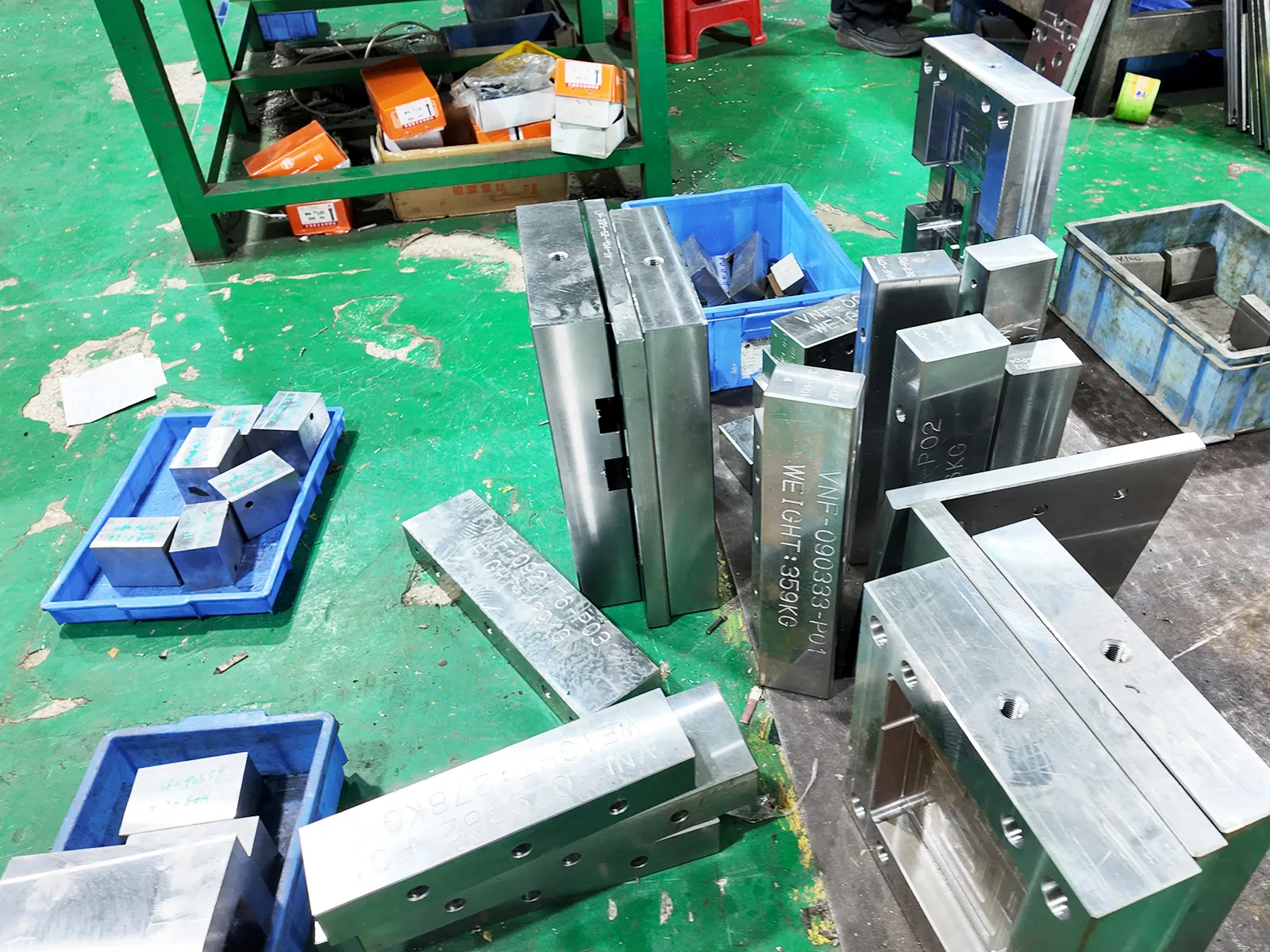
- Agree on the production approach. Discuss materials, part separation and mold requirements. For injection molding, the design must work as parts that can be made and removed from the tooling.
- Check trial samples. Review the molded parts and the proposed finish before the full run. Look at joins, fit, visible surfaces and consistency with the approved design.
- Finish and assemble. Painting, printing and assembly turn the parts into the character. Specify color references and important detail placement so review is based on the same brief.
- Inspect and pack. Check the finished figure and packaging together. An attractive box still needs to accommodate the pose and protect protruding parts during handling.
Ask who approves each stage and which changes would require a revised quotation or schedule. A late change to a painted color is not the same as changing a part after the mold is made. Keeping a dated approval record helps everyone distinguish an agreed revision from a misunderstanding.
What makes one design cost more than another?
Two figures of the same height can need very different work. One may use a simple body and a few paint areas. Another may have multiple accessories, separate hair pieces and detailed decoration. Compare the number of parts, the tooling needed, the finishing steps and the assembly work instead of using height as the only measure.
Ask for tooling and unit production costs to be shown separately. Then check what is included in the unit price: painting, assembly, inspection and packaging may be presented differently across quotations. Shipping also depends on the packed product, not just the bare figure. Comparing identical briefs is more useful than comparing headline prices.
Quantity and the number of color variants matter too. A total order split across several versions may require a different production and packing plan from one uniform run. Provide quantities for each version when requesting a quote. Confirm the project's minimum order and schedule directly; a general guide cannot establish those terms for every design.
What should you prepare before asking for a quote?
A clear brief reduces avoidable revisions. Include front, side and back views where possible, or provide your existing 3D file. State the intended finished dimensions and show the details that matter most. Mark whether an accessory is attached, removable or simply part of the illustration. If the drawing and model differ, explain which one is the current reference.
- Artwork or a model with the intended size and separate parts identified.
- Color references, paint boundaries and any printed detail.
- Quantity for each design and color version, plus plans for repeat orders if relevant.
- Packaging requirements and the delivery destination.
- The date you need the finished goods, with time for sample review and revisions.
- A list of open questions, such as material choice or how a thin part will be supported.
Naluga’s custom PVC figure service coordinates design review, sampling and production. The service accepts STL and OBJ files; conversion from a 2D design is a separate part of the discussion. Share the brief before choosing a production route so the quote can address the complete figure and its packaging.
What should you check on the sample?
Compare the sample against the approved reference under consistent lighting. Check the silhouette, face details, joins, standing position, accessory fit and painted boundaries. Photograph any concern from an angle that makes it clear, and separate changes to the design from defects in execution. That makes the next review more precise.
Also review the packaged sample when packaging is part of the order. Check whether the figure is held in place and whether delicate parts are under pressure. Agree which sample represents the approved result. A useful approval is specific enough that both you and the production team can refer back to it.
Frequently asked questions
What does PVC mean in a figure?
PVC stands for polyvinyl chloride. A PVC figure uses this plastic for some or all of its parts. Other components may use different materials, such as ABS, so ask for a parts and materials specification when the composition matters.
Are PVC figures the same as soft vinyl toys?
Soft vinyl toys are also made from PVC, but their formulation and molding process create a different result. Sofubi usually refers to hollow, flexible soft vinyl toys. The general label PVC figure does not tell you whether a piece is hollow, solid, soft or rigid.
How do you make a custom PVC figure?
The production workflow generally moves from artwork and a 3D model to prototype review, production tooling, trial samples, molding, finishing, assembly and inspection. The exact materials, molds and part layout depend on the design and should be agreed before production.
How much does a custom PVC figure cost?
There is no useful single price without a project brief. Size, part count, tooling, material, paint details, quantity and packaging all affect the quote. Compare tooling, unit production, packaging and shipping separately, and confirm the scope and sample approvals in writing.